Chromium-6 In Your Tulsa Area Water
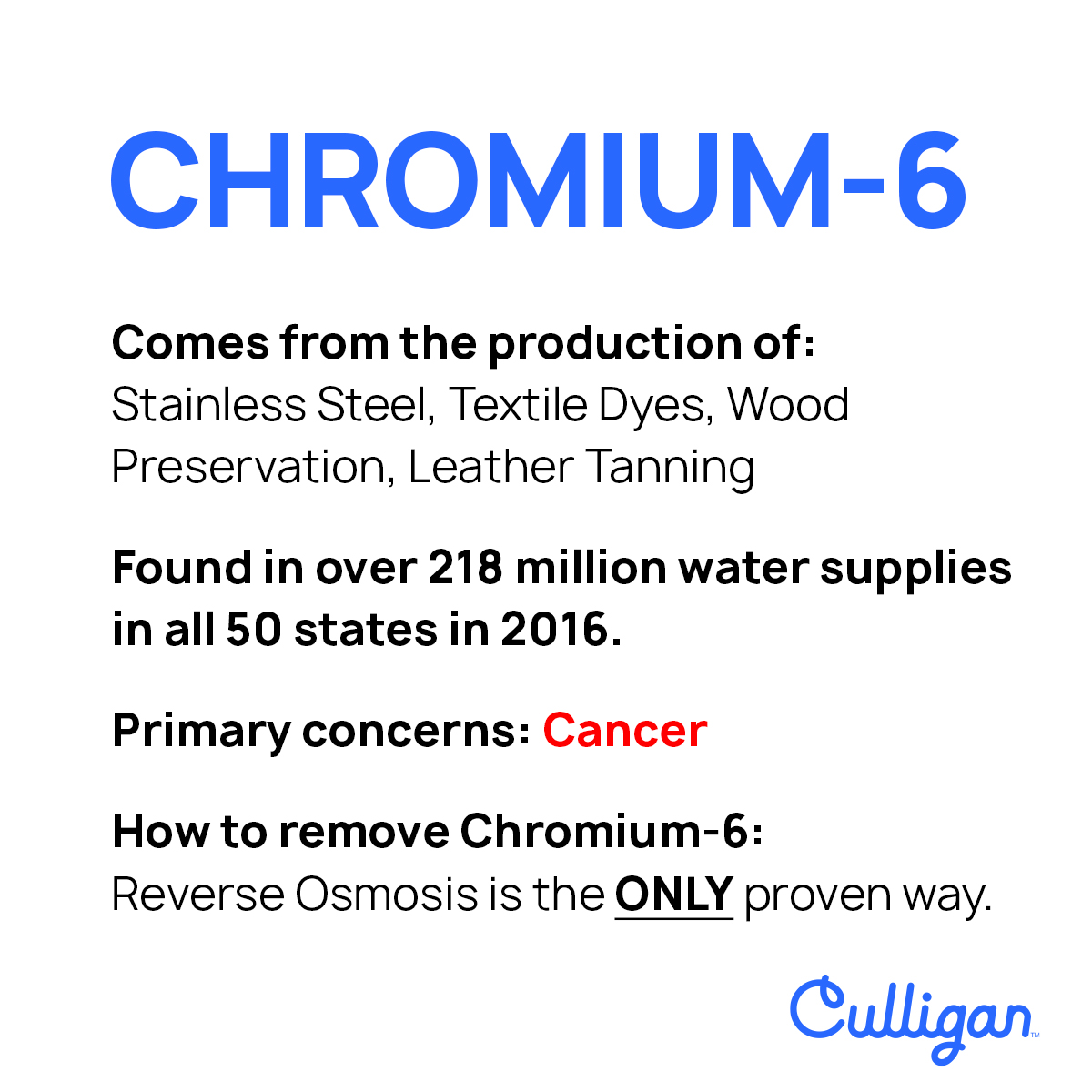
Chromium-6, also known as hexavalent chromium, is an unstable and toxic form of the element chromium that occurs naturally in the environment. Although trace amounts of chromium can be found in soil and water, human activities such as industrial processes, waste disposal, and chemical compounds have led to elevated levels of chromium-6 in some regions.
The issue of chromium-6 contamination in Tulsa water has raised significant public concern. Various studies and reports have indicated the presence of this toxic substance in local water supplies. As residents rely on these sources for drinking and cooking, the implications of contamination can be dire.
Why Choose Tulsa Culligan for Chromium-6 Removal?
When it comes to protecting your home from dangerous contaminants like chromium-6, Tulsa Culligan leads the way with powerful, proven solutions. Our reverse osmosis and whole-house filtration systems are engineered to target heavy metals and deliver cleaner, safer water to every faucet. With free water testing, expert analysis, and customized treatment plans designed for Tulsa’s unique water conditions, Culligan gives you control over your water quality—and peace of mind with every glass.
Solutions
Products to Remove Chromium

Aquasential® Smart Reverse Osmosis Drinking Water Filtration System
- 2-in-1 sediment and carbon filter screens out sediment and particles, reducing elements that cause water to taste and smell unpleasant, including the taste and odor of chlorine.
- Reduces dissolved substances such as radium, arsenic V, and many others. Various capacity membranes available.
- Optional specialty filters available providing a range of benefits including pH balance or the reduction of additional substances such as VOC, pharmaceuticals and mercury.
- A second carbon filter ensures your drinking water is cleaner and fresh.
- Manifold assembly molded using SteriTouch® resin, the patented single manifold ensures reliability and houses four separate filters.
- Premium metal construction faucet has water quality alerts and filter life indicators in an easy to read display.
- Durable, high-quality jacketed steel tank.
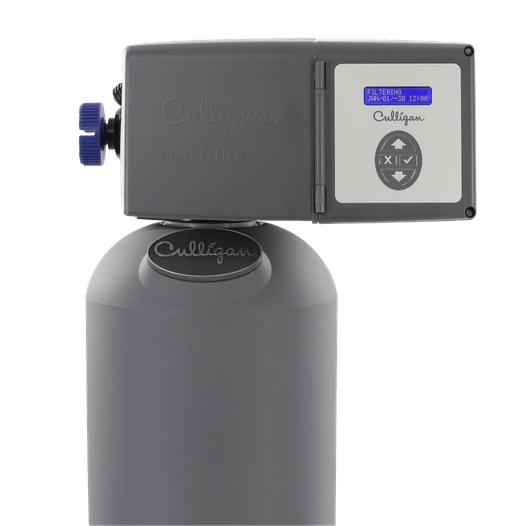
Aquasential™ Smart High Efficiency Whole House Water Filters
Reduce sediments in your water and contaminants that cause your water to appear, taste, and smell unpleasant. Your system can also lessen the taste and odor of chlorine, and prevent pipe damage and staining from low pH water. Additional customizations include:
- Culligan® Filtr-Cleer® Water Filters – Reduces Sediment Problems
- Culligan® Cullar® Water Filters – Reduces Taste and Odor Problems
- Culligan® Cullneu Water Filters – Reduces Acid Problems
How to Remove Chromium-6 From Your Drinking Water With Culligan
Culligan offers several water treatment solutions that can effectively reduce or remove chromium-6 from tap water. Here are some of the products and systems that can help address this contaminant:
- Culligan Reverse Osmosis Systems: These systems utilize a multi-stage filtration process that can remove various harmful contaminants, including heavy metals such as chromium-6, from drinking water. The reverse osmosis process effectively filters out impurities, providing clean and safe drinking water.
- Culligan Whole House Water Filtration Systems: Some whole-house systems are designed to target specific toxic contaminants, including heavy metals. These systems can provide filtered water for all outlets in the home, ensuring that chromium-6 is reduced throughout the household.
- Culligan Water Softeners: While primarily designed to remove hardness from water, some softeners can also help reduce certain heavy metals. However, it is essential to pair them with additional filtration methods specifically targeting chromium-6 for optimal results.
What is Chromium-6?
Hexavalent chromium is a type of the metallic element chromium. Chromium occurs naturally in rocks, animals, plants, soil, and volcanic dust and gasses. It exists in various forms, including trivalent chromium and hexavalent chromium. Compounds of chromium, such as hexavalent chromium, are commonly utilized in electroplating, stainless steel production, leather tanning, textile manufacturing, and wood preservation. The United States is among the top producers of chromium compounds in the world.
How Does Chromium-6 Enter Your Tulsa Water Supply?
Chromium-6 can enter your drinking water through various pathways, posing risks to public health. Understanding these pathways is critical to addressing the contamination issue effectively. Here are the main sources of chromium-6 in Tulsa’s water supply:
- Industrial Discharges: One of the primary contributors to chromium-6 contamination in water systems is industrial activities. Factories involved in metal finishing, manufacturing, and tanning processes are known to use chromium compounds. If these facilities do not properly manage their waste, chromium-6 can leach into nearby water sources.
- Natural Occurrences: Chromium is a naturally occurring element in the environment, and certain geological formations contain chromium-6. As rainwater seeps through these mineral-rich soils or rocks, it can dissolve the chromium and carry it into groundwater, which may eventually flow into Tulsa’s drinking public water systems.
- Leaking Landfills: Landfills that contain chromium-based waste can also be a significant source of contamination. Over time, leachate—the liquid that has passed through waste materials—can leach chromium-6 into surrounding soil and water, especially if the landfill lacks appropriate containment measures.
- Agricultural Runoff: In some cases, agricultural runoff can contribute to chromium-6 levels in the water supply. The use of certain fertilizers and pesticides that contain chromium compounds may result in elevated levels entering water bodies near agricultural areas.
- Pipe Corrosion: Aging infrastructure can also play a role in chromium-6 contamination. If water pipes corrode, they may leach chromium compounds into the water supply, particularly if the water has high levels of acidity or other corrosive elements.
The Tulsa Water Department faces complex challenges regarding chromium-6 contamination. Whether through industrial discharges, natural geology, landfill leakage, agricultural runoff, or aging infrastructure, understanding how chromium-6 enters the public water system is vital for local authorities and residents. Awareness of these sources can help promote better management practices and underscore the importance of regular water quality testing to safeguard public health.
How Do You Know if Your Water is Contaminated with Chromium-6?
Chromium-6 contamination has been found in 50 states in the U.S. Over eight thousand water utilities have been affected, meaning 71 million people have been exposed to chromium-6 contamination in the U.S., according to the EWG.
Like many other metallic elements, it is odorless and tasteless when dissolved in water.
If you live near any kind of industrial manufacturer or processor, or if you live in an area that is contaminated with chromium-6 in the past the best way to determine if it’s affecting you and your home is through a water test.
And while a certain trace amount of total chromium is allowable, and even safe, in water supplies the legal limit for chromium-6 in drinking water is 0.02 parts per billion (ppb). If your test results return anything above that, you’ll want to consider a solution to remove it.
If you are concerned about chromium-6 in your tap water, it is advisable to have your water tested and consult with our team of experts.
Is Tulsa Tap Water Safe to Drink?
As residents of Tulsa rely heavily on their tap water for hydration and daily activities, concerns surrounding chromium-6 contamination raise important questions about its safety. Chromium-6, or hexavalent chromium, is a potent carcinogen linked to various health issues, particularly when ingested over extended periods. Understanding its presence in local water systems is crucial for public health and safety.

Facebook