How To Remove Lead Contamination From Your Tulsa Tap Water
There are a range of solutions that can effectively remove lead from water. These products include whole-house water filtration systems, under-sink filters, and drinking water systems. To determine the best product for your specific needs, schedule a free water consultation with a Culligan expert.
- Whole-House Water Filtration Systems: Culligan’s whole-house water filtration systems are designed to remove a wide range of contaminants, including lead. These systems are installed at the main water line entering your home, ensuring that all the water you use is filtered and lead-free.
- Under-Sink Filters: Culligan’s under-sink filters provide an additional layer of protection by filtering the water at the point of use. These filters are installed under the kitchen sink and can effectively remove lead and other contaminants from the water you use for drinking and cooking.
- Drinking Water Systems: Culligan offers various drinking water systems, such as reverse osmosis systems and advanced filtration systems, that are specifically designed to provide clean and safe drinking water. These systems are highly effective in removing lead and other harmful substances, ensuring that you and your family have access to healthy drinking water.
Lead Contamination In Your Tulsa Drinking Water
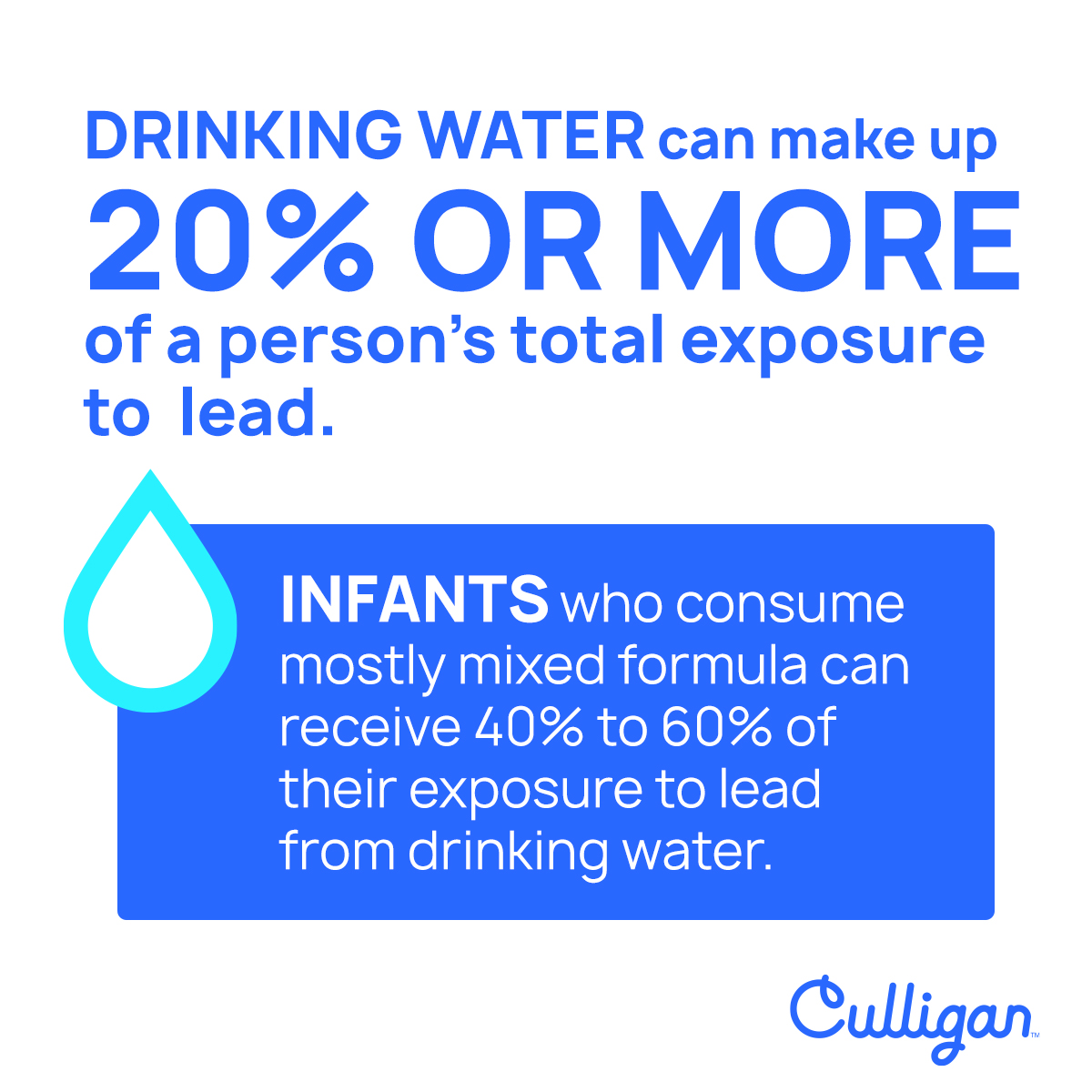
In the U.S., 14-20% of lead exposure is attributed to drinking water. Municipalities have taken action over the past 30 years to ban lead solder, reduce corrosivity and remove lead from brass faucets and water meters, and these measures have significantly helped exposure issues. Tulsa Water shares that their water is at the 90th percentile (1.67, 1 site above AL). That means in their sampling there was one tap where lead exceeded the action level (15 ppb). One possible—but not guaranteed—source is old lead service lines or plumbing.
Why Choose Culligan for Lead Removal and Protection?
Culligan provides comprehensive solutions to tackle lead contamination right at the source—whether from aging lead service lines or corroded plumbing fixtures. Our expert team offers a free water consultation and testing service to determine the best system for your needs. From whole-house filtration systems that deliver purified water to every tap, to under-sink and advanced reverse osmosis systems designed specifically to remove lead and other contaminants, Culligan ensures you have access to safe, clean water. With certified products, custom installation, and ongoing support, we help safeguard your home and family from the dangers of lead exposure, so you can enjoy peace of mind and healthier water every day.
Solutions
Suggested Products
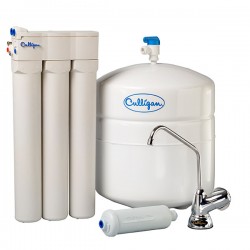
AC-30® Drinking Water System – 4 Stage Filtration
- Reduces Chromium-6.
- Saves money compared to using single-serve bottles from the store.
- Go green by eliminating wasteful plastic bottles.
- Improve the taste of coffee, tea, powdered drinks, soups, recipes and baby formula.
- Free up valuable refrigerator space by eliminating pitchers and bottled water
- Meets strict standards of NSF International and WQA.
- Third-party certified to perform as promised and are backed by one of the most comprehensive warranties in the industry.
- The Culligan® AC-30 Good Water Machine® is maintenance-free. Your local Culligan Man handles everything, and it comes with an elegant designer faucet in a variety of styles to match any kitchen.
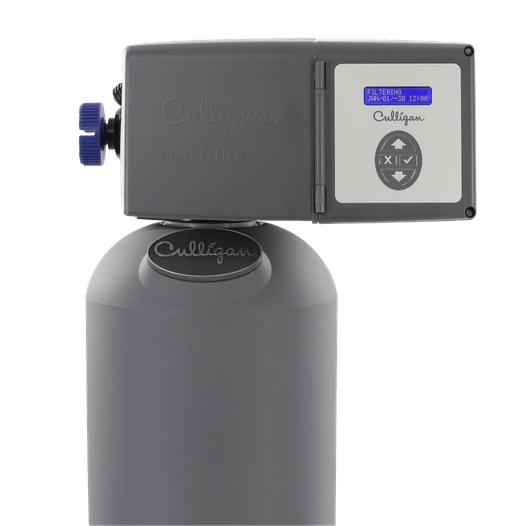
Aquasential™ Smart High Efficiency Whole House Water Filters
Reduce sediments in your water and contaminants that cause your water to appear, taste, and smell unpleasant. Your system can also lessen the taste and odor of chlorine, and prevent pipe damage and staining from low pH water. Additional customizations include:
- Culligan® Filtr-Cleer® Water Filters – Reduces Sediment Problems
- Culligan® Cullar® Water Filters – Reduces Taste and Odor Problems
- Culligan® Cullneu Water Filters – Reduces Acid Problems
How Lead Enters Tap Water
Lead enters Tulsa home’s drinking water through a chemical reaction that occurs within plumbing materials containing lead. This chemical reaction is known as corrosion and involves the gradual dissolution or wearing away of metal from the pipes and fixtures, ultimately releasing lead particles into the water supply. The corrosion process is the principal mechanism through which lead contamination occurs, posing a significant risk to the quality and safety of the drinking water consumed by households and individuals.
Homes lacking lead service lines may still possess plumbing fixtures made of brass or chrome-plated brass, galvanized iron pipes, or other plumbing components soldered with lead. Furthermore, lead may infiltrate drinking water through specific fixtures, such as drinking water fountains outfitted with lead-lined tanks or other plumbing installations not originally designed for delivering potable water, like lab faucets, hoses, spigots, and handwashing sinks.
The most common way lead can enter a drinking water system is through corrosive aging pipes and plumbing infrastructure. Many homes, and sometimes entire communities, have plumbing infrastructure that has not been updated for decades, and sometimes more than a century.
These homes are at high risk for lead contamination, even if the water coming through it has been properly treated.
When pipes, fitting or solder have become corroded, water can become contaminated.
Why Is Lead in Water Dangerous?
The Safe Drinking Water Act mandates EPA to establish maximum contaminant level goals (MCLGs) for contaminants in drinking water, aiming for zero exposure. Lead, a toxic metal harmful even at low levels, has an MCLG of zero due to its persistence and potential to accumulate in the body. In adults, lead exposure can lead to cardiovascular issues, decreased kidney function, and reproductive problems. Pregnant women are at risk due to lead accumulation, potentially causing reduced fetal growth and premature birth.
Young children, infants, and fetuses are especially susceptible to lead, with even minimal exposure linked to developmental and nervous system issues, hearing impairment, and anemia. The Centers for Disease Control (CDC) recommends action at 3.5 micrograms per deciliter of lead in a child’s blood. Once consumed, lead remains in our bodies or ‘bioaccumulates’, as we can’t flush the contaminant from our system. Once there, lead can cause serious behavioral and cognitive problems for children, and over time it can lead to:
- Low IQ
- Hyperactivity
- Slowed, delayed, and stunted growth
- Problems hearing
- Anemia
- Seizures, coma, and possibly even death in severe situations
Lead also crosses the placenta, so it’s especially important for pregnant women to avoid drinking water contaminated with lead. In addition to harming the mother, it can cause stunted fetal growth and premature birth.
For the average adult, lead exposure from water can cause heart and cardiovascular issues, reduce kidney function, and contribute to reproductive problems.
The degree and severity of these issues depends on how much lead you’ve been exposed to, and how much is stored in your body, though governing health authorities like the CDC caution that no amount of lead is safe.
Synopsis of Flint Crisis

The Flint Crisis was a situation where the water was improperly treated – specifically, a severe act of negligence on the part of public officials failing to add corrosion inhibitors to the water. Given the heightened sense of awareness and knowledge of the issue, another such problem is likely not in the realm of possibility.
However, that doesn’t mean all water in your home is safe. Even treated water can leach lead into its supply if your pipes or fixtures are made of lead.
The final tally on the Flint Water Crisis, which included e.coli bacteria, THMs, lead, and a Legionnaire’s disease outbreak, resulted in 6,000 to 12,000 children exposed to lead and a slew of lawsuits, investigations, resignations and criminal indictments.

Facebook