Does Your Tulsa Water Have A Chlorine Smell
If your Tulsa tap water smells like chlorine, it’s likely due to the disinfection process used by the local water treatment authorities. Chlorine is commonly added to drinking water as a disinfectant to kill harmful microorganisms and ensure the safety of the water supply.
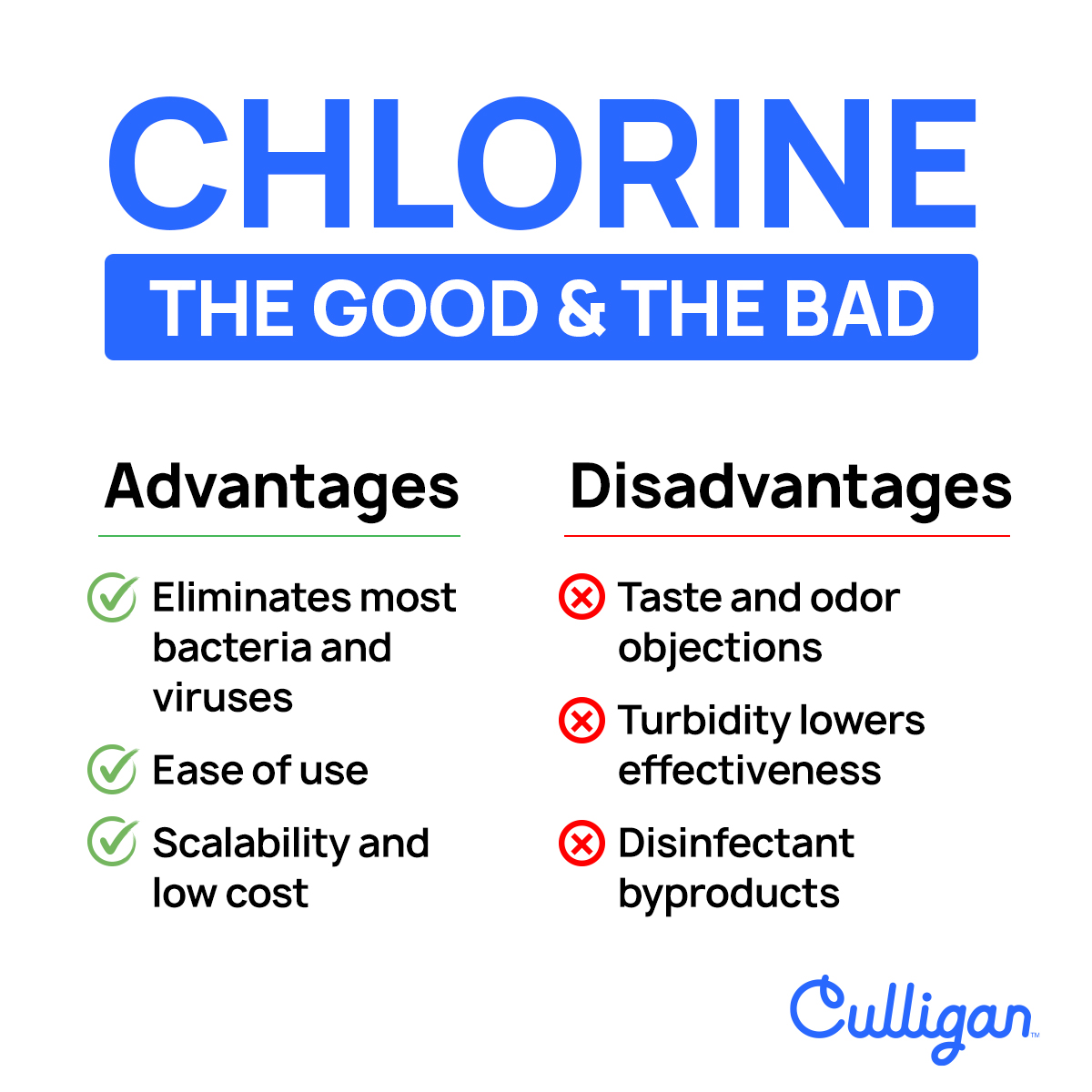
Chlorine plays a crucial role in ensuring the safety of our drinking water in the Tulsa area. As a halogen, it’s highly effective in eliminating most pathogens, those microscopic organisms that can pose a health risk when present in water. It’s worth noting that while high doses of chlorine can be harmful, the levels found in our tap water are typically well within safe limits. The CDC states Chlorine levels up to 4 milligrams per liter (mg/L or 4 parts per million (ppm)) are considered safe in drinking water.
How To Remove Chloramine From Your Tap Water
If you’re among those affected by the presence of chlorine and chloramines in water — and even if you’re not — you may want to consider a water filter to have fresher, better quality water in your home. There are many variations of filters, so it’s important to choose one designed specifically to remove chemicals like chlorine and chloramine.
RO systems are highly effective at removing chlorine and chloramine, providing you with cleaner, great-tasting water.
Why Choose Tulsa Culligan for Chlorine and Chloramine Solutions?
If your Tulsa tap water smells like chlorine or you’re concerned about chloramine exposure, Culligan offers effective, customized filtration options to improve taste, odor, and overall water quality. Our advanced reverse osmosis and whole-home filtration systems are designed to specifically reduce chlorine, chloramines, and other chemical disinfectants used in municipal water treatment. With decades of local expertise and professional installation, Culligan helps Tulsa homeowners enjoy cleaner, fresher water—right from the tap.
Solutions
Products to Remove Chlorine
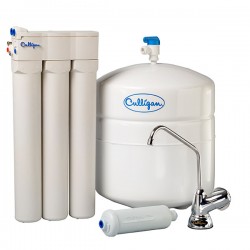
AC-30® Drinking Water System – 4 Stage Filtration
- Reduces Chromium-6.
- Saves money compared to using single-serve bottles from the store.
- Go green by eliminating wasteful plastic bottles.
- Improve the taste of coffee, tea, powdered drinks, soups, recipes and baby formula.
- Free up valuable refrigerator space by eliminating pitchers and bottled water
- Meets strict standards of NSF International and WQA.
- Third-party certified to perform as promised and are backed by one of the most comprehensive warranties in the industry.
- The Culligan® AC-30 Good Water Machine® is maintenance-free. Your local Culligan Man handles everything, and it comes with an elegant designer faucet in a variety of styles to match any kitchen.
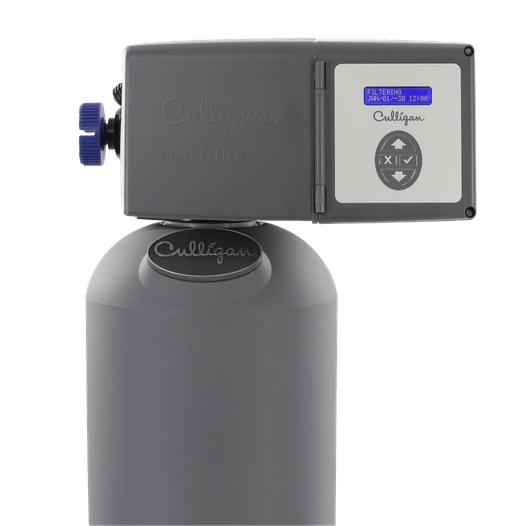
Aquasential™ Smart High Efficiency Whole House Water Filters
Reduce sediments in your water and contaminants that cause your water to appear, taste, and smell unpleasant. Your system can also lessen the taste and odor of chlorine, and prevent pipe damage and staining from low pH water. Additional customizations include:
- Culligan® Filtr-Cleer® Water Filters – Reduces Sediment Problems
- Culligan® Cullar® Water Filters – Reduces Taste and Odor Problems
- Culligan® Cullneu Water Filters – Reduces Acid Problems
Chlorines vs. Chloramines: What’s The Difference?
Chlorine and chloramines are common disinfectants used in water treatment, but they have important differences.
Chlorine is typically used in the form of elemental chlorine gas or sodium hypochlorite and acts quickly, disrupting microorganisms’ cell structures. However, it can dissipate rapidly and may cause taste and odor issues.
Chloramines, formed by combining chlorine and ammonia, particularly monochloramine, offer a longer-lasting residual effect and are less likely to affect taste and odor. They are also associated with lower levels of regulated disinfection by-products like trihalomethanes and haloacetic acids.
Cities have commonly used both chlorine and chloramine chemicals to treat municipal drinking water since the early 1920s and 30s. Chlorine became widely used during World War I when ammonia shortages reduced the availability of chloramine. As a result, chlorine remains common, but chloramine is seeing increasing adoption, especially in densely populated areas.
Some populations, specifically individuals on dialysis treatment and those with respiratory issues, may be sensitive to chloramines.
If you or your family members fall into either of these categories, it’s a good idea to check with your local drinking water provider to see if a switch is coming to your area. Chloramine is also harmful for fish and aquatic animals, so you’ll want to pay close attention if you’re used to supplementing your aquarium with tap water — or consider a chloramine filter. Click here to learn more about removing these contaminants.
Why Is Chloramine Added To Tulsa Water?
Tulsa Water employs monochloramines as a crucial component of its water treatment process. Following the initial treatment with a primary disinfectant, it’s essential to introduce and maintain a secondary disinfectant or disinfectant residual within the distribution system to eliminate microorganisms that can pose health risks.
In Tulsa Water’s system, monochloramines serve as the secondary disinfectant, working in conjunction with chlorine, which remains the primary disinfectant. This dual disinfection approach ensures strict compliance with the health standards set by the United States Environmental Protection Agency (USEPA). Furthermore, the use of monochloramines has the added benefit of reducing the formation of suspected carcinogenic compounds.
By incorporating monochloramines into the treatment process, Tulsa Water effectively minimizes the creation of certain regulated disinfection by-products that typically result from the interaction between chlorine and trace amounts of naturally occurring organic substances in water. Specifically, monochloramines help mitigate the formation of trihalomethanes (THMs) and haloacetic acids (HAAs), two types of by-products associated with potential cancer risks through prolonged exposure.

Facebook